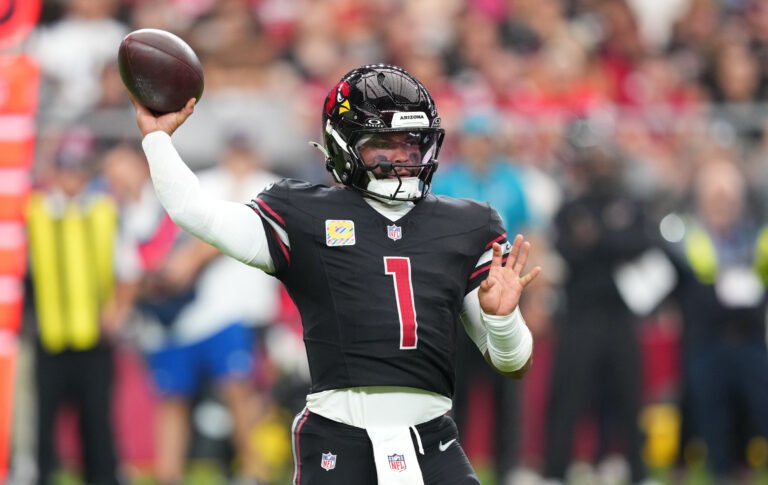


The Indianapolis Colts have made a major decision at quarterback, placing the transition tag on Daniel Jones after the two sides were unable to reach a long-term contract agreement before the NFL’s tag deadline.
The move keeps Jones tied to Indianapolis while still allowing him to explore the open market. Under the transition tag, Jones can negotiate with other teams and sign an offer sheet, but the Colts retain the right to match any contract he receives.
If Jones ultimately remains on the tag for the 2026 season, he would play on a fully guaranteed one-year deal worth approximately $37.83 million. That figure is slightly lower than the $43.89 million franchise tag for quarterbacks, which likely influenced the Colts’ decision to use the less restrictive tag.
Jones, who turns 29 in May, revitalized his career in Indianapolis last season after signing a one-year, $14 million contract following his release from the New York Giants. He quickly won the starting job during training camp and led one of the league’s most efficient offenses early in the year.
Before suffering a season-ending Achilles injury, Jones helped guide the Colts to an 8–2 start while posting strong numbers across the board. He finished the 2025 campaign completing 68% of his passes for 3,101 yards with 19 touchdowns and eight interceptions, while also adding five rushing scores.
His performance represented the most stable quarterback play Indianapolis has received since Philip Rivers led the team to the playoffs in 2020. The Colts’ confidence in Jones became even clearer during the season when they traded their 2026 and 2027 first-round picks to acquire star cornerback Sauce Gardner, a move that signaled the franchise believed it had its quarterback of the future.
However, Jones’ injury history remains part of the equation. The Achilles tear late in the season, combined with previous injuries earlier in his career, adds uncertainty as both sides evaluate a potential long-term commitment.
What Is Next for Both Sides
The transition tag essentially creates a waiting game.
For Daniel Jones, the next step is testing the market to see what teams are willing to offer. Because the transition tag does not include draft compensation like the franchise tag, a team could sign Jones away without surrendering picks if the Colts decline to match the offer.
That scenario is unlikely but still possible depending on the size of the contract and how aggressive quarterback-needy teams become.
For Indianapolis, the move provides protection while negotiations continue. The Colts now have until July 15 to work toward a multi-year extension with Jones. If a deal isn’t reached by then, Jones would play the 2026 season on the one-year tag.
The decision also impacts the rest of the Colts’ offseason. By using the tag on Jones, Indianapolis allowed wide receiver Alec Pierce, coming off a 1,000-yard breakout season, to approach unrestricted free agency. Pierce has openly stated that Jones’ future in Indianapolis could influence his own decision.
At quarterback, the Colts also have limited alternatives. Anthony Richardson has requested a trade, and the only other quarterback currently under contract is 2025 sixth-round pick Riley Leonard. With few clear options available in the draft or free agency, Indianapolis appears committed to Jones as its best short- and long-term solution.
Ultimately, the transition tag buys both sides time, allowing Jones to establish his true market value while giving the Colts the opportunity to retain the quarterback who helped revive their offense before injury cut his season short.