

The Los Angeles Chargers have officially moved on from Greg Roman, firing the veteran offensive coordinator just days after their season ended in a disastrous 16–3 wild-card loss to the New England Patriots. The decision comes after mounting frustration over the Chargers’ stagnant offense, particularly in the biggest moments, and marks another major shift in how the franchise plans to build around quarterback Justin Herbert.
Roman was hired to bring a physical, run-first identity to the Chargers under head coach Jim Harbaugh. On paper, the pairing made sense. Harbaugh and Roman had enjoyed success together at Stanford and with the San Francisco 49ers, and Roman had built strong regular-season offenses in Baltimore around Lamar Jackson. But in Los Angeles, the results never matched the expectations — especially in the postseason.
Over the last two playoff runs, the Chargers scored just 15 total points across two wild-card losses. Against the Patriots on Sunday night, the offense was historically bad, producing just 207 total yards and three points. Justin Herbert was sacked six times, pressured on nearly two-thirds of his dropbacks, and failed to throw a touchdown. A team that was supposedly built to run the ball barely even tried, calling just one rushing play on its opening drive and abandoning the ground game even when starting a drive inside the Patriots’ 10-yard line.
That loss wasn’t an outlier — it was a breaking point.
Roman’s scheme, long criticized for being outdated and overly rigid, was once again exposed. His route concepts rarely provided Herbert with quick, easy throws, often forcing him to hold the ball and look for low-percentage options. Even when Herbert did check down, those safety valves frequently went to tight ends like Tucker Fisk — a solid blocker, but not a dynamic receiver.
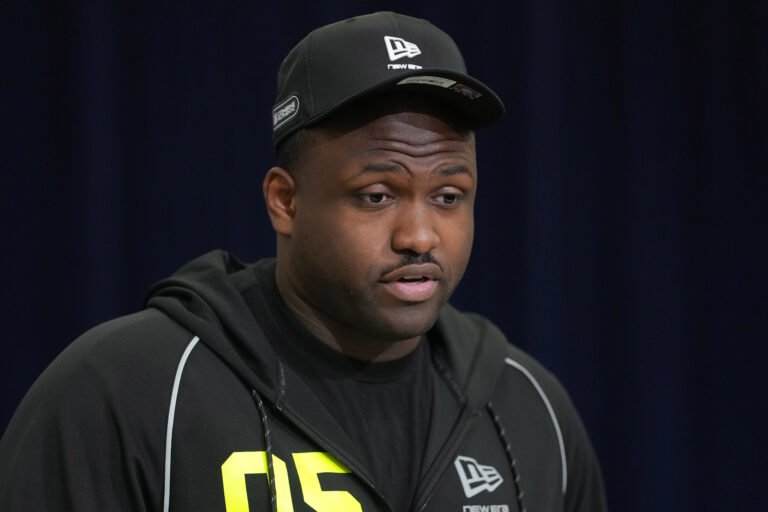
The frustration wasn’t limited to fans or analysts. Inside the Chargers locker room, the tone had clearly shifted. Offensive linemen, who had previously praised Roman’s run-heavy philosophy, offered lukewarm endorsements at best. Right guard Mekhi Becton, the team’s biggest free-agent signing last offseason, openly hinted at dissatisfaction, calling his experience under Roman “different” and declining to elaborate further. Patriots linebacker Robert Spillane later added fuel to the fire by saying Chargers players admitted they “had no clue” what New England was doing defensively.
All of that put Jim Harbaugh in a difficult spot. Loyalty has always been one of his defining traits, but after back-to-back 11-win seasons ended by offensive failures, change became unavoidable. Herbert is now six years into his NFL career and still without a playoff win. He has already worked with four offensive coordinators, and Roman’s inability to elevate him when it mattered most made the decision clear.
Statistically, the Chargers’ decline under Roman was also evident. The team dropped to 22nd in points scored this season after ranking 11th the year before. While injuries to key players like Rashawn Slater, Joe Alt, and rookie running back Omarion Hampton played a role, the scheme never adapted to hide those weaknesses. Meanwhile, the defense, led by Jesse Minter, ranked fifth in yards allowed — underscoring just how much the offense held the team back.
Roman’s playoff track record ultimately sealed his fate. He finishes his Chargers tenure having scored just one touchdown across two postseason games, and his career postseason mark as a playcaller now sits at 1–5, with his units averaging fewer than 14 points per game.
For the Chargers, firing Greg Roman is about more than assigning blame — it’s about finally committing to building a modern, quarterback-friendly offense around Justin Herbert. With a new coordinator coming in, the hope in Los Angeles is that the next chapter will finally allow their franchise quarterback, and this talented roster, to reach its true potential.